—
Introduction – Why Banking Still Matters (Even in a Digital World)
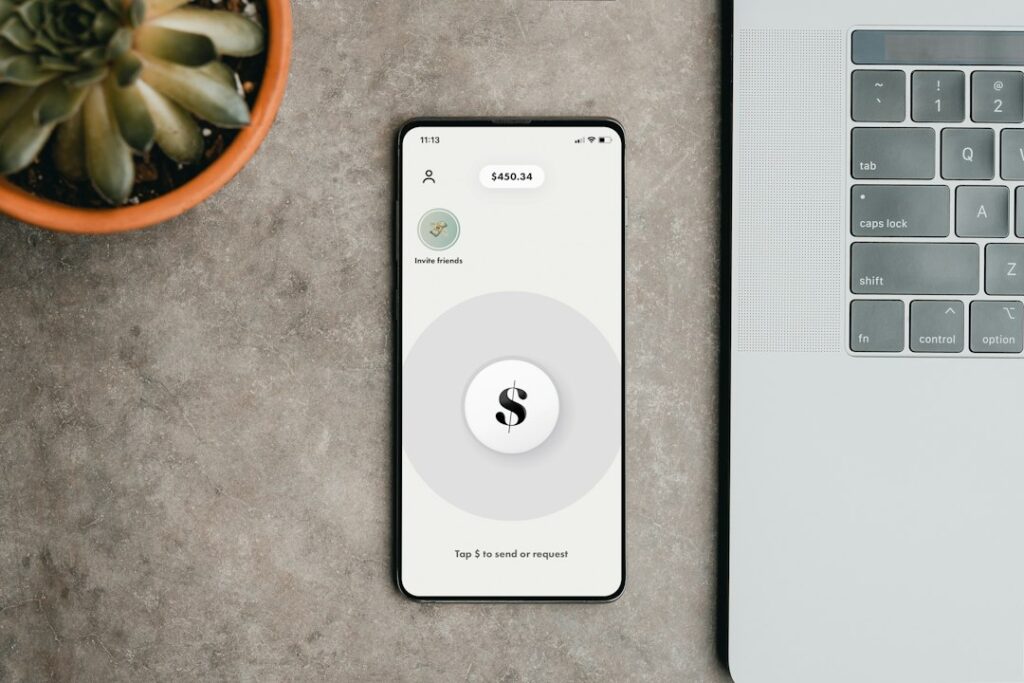
Imagine walking into a coffee shop, pulling out your phone, and paying for a latte with a single tap. In the background, a global network of banks, fintech startups, and regulators is silently moving millions of dollars every second to make that simple transaction possible. Banking isn’t just about checking balances or writing checks anymore—it’s the backbone of every purchase, investment, and financial goal you have.
If you’ve ever felt overwhelmed by the sheer number of banking options, the jargon (“APR,” “FDIC insured,” “neobank”), or the rapid pace of digital innovation, you’re not alone. This post breaks down the banking ecosystem into bite‑size, actionable insights so you can choose the right products, protect your money, and leverage technology to boost your financial health. Let’s dive in!
—
1. The Evolution of Banking: From Brick‑and‑Mortar to Digital‑First
1.1 Traditional Roots, Modern Branches
For centuries, banks were physical temples of trust—think marble vaults and tellers in crisp suits. The core services (deposits, loans, and payments) remain the same, but the delivery method has transformed dramatically. Understanding this evolution helps you appreciate why certain features exist and how they benefit you today.
Actionable tip: When evaluating a bank, ask: “How does this institution blend physical presence with digital convenience?” A hybrid model can give you the personal touch of a local branch plus the speed of online tools.
1.2 The Rise of Fintech and Neobanks
Fintech companies—think Stripe, Square, or Revolut—have disrupted the banking industry by offering specialized services with sleek user experiences. Neobanks, a subset of fintech, operate entirely online, often with no physical branches. They typically provide lower fees, higher interest on savings, and real‑time analytics.
Actionable tip: If you’re a tech‑savvy user who values low fees and instant insights, test a neobank for everyday transactions while keeping a traditional bank for larger, relationship‑based services (like mortgages).
1.3 Regulatory Shifts and Consumer Protection
Regulators worldwide have responded to digital banking with updated frameworks (e.g., GDPR in Europe, the Consumer Financial Protection Bureau in the U.S.). Look for banks that are FDIC insured (U.S.) or covered by the Deposit Insurance Fund (Canada) to ensure your deposits are protected up to the legal limit.
Actionable tip: Verify a bank’s insurance status on its website or through the regulator’s portal before opening an account.
—
2. Core Banking Services You Should Know
2.1 Deposit Accounts: Checking vs. Savings vs. Money Market
- Checking accounts are designed for frequent transactions—payroll deposits, bill payments, and debit card purchases. Look for zero monthly fees, free ATM networks, and robust mobile check‑deposit features.
- Savings accounts earn interest on idle cash. Prioritize high‑yield options (often >0.5% APY) and ensure the account has minimal withdrawal limits.
- Money‑market accounts sit between checking and savings, offering higher rates while still allowing limited check writing.
- Credit cards are powerful tools for building credit scores when used responsibly. Seek cards with low APR, generous rewards, and no foreign transaction fees if you travel.
- Personal loans provide a lump sum for larger purchases (e.g., home renovations). Compare APR, loan term, and prepayment penalties.
- Lines of credit act like a flexible loan—draw as needed, pay interest only on the amount used.
- Debt snowball: Pay off the smallest balance first, then roll that payment into the next debt.
- Debt avalanche: Target the highest‑interest debt first, saving more on interest over time.
- Low fees vs. extensive branch network
- High interest rates vs. robust digital tools
- Specialized services (e.g., small‑business banking) vs. general consumer accounts
Actionable tip: Open a high‑yield savings account and automate a monthly transfer from your checking account. Even $100 a month can grow significantly thanks to compound interest.
2.2 Credit Products: Credit Cards, Personal Loans, and Lines of Credit
Actionable tip: Run a free credit‑score check (many banks offer this) before applying for credit. A higher score secures lower interest rates, saving you money over the life of the loan.
2.3 Investment & Wealth Management Services
Many banks now bundle brokerage accounts, retirement IRAs, and robo‑advisor platforms. If you’re just starting, a robo‑advisor can automatically allocate assets based on your risk tolerance for as little as 0.25% annual fee.
Actionable tip: Allocate at least 10% of each paycheck to a retirement account (401(k) or IRA). Use your bank’s automatic contribution feature to make it painless.
—
3. Digital Banking Tools That Supercharge Your Finances
3.1 Mobile Apps & Real‑Time Alerts
Modern banking apps let you freeze cards, set spending limits, and receive instant fraud alerts. Enable push notifications for any transaction over a set amount—this helps you spot unauthorized activity fast.
Actionable tip: Turn on “spending insights” or “budget categories” in your app to see where your money goes each month without manual spreadsheets.
3.2 Online Bill Pay & Automated Savings
Set up recurring bill pay for utilities, subscriptions, and loan payments. Most banks let you schedule transfers to a savings or investment account on payday, turning “pay yourself first” into a habit.
Actionable tip: Use the “round‑up” feature (available at many banks) that rounds each purchase to the nearest dollar and transfers the difference to a savings or investment account. Over time, those pennies become a sizable nest egg.
3.3 Security Features: Two‑Factor Authentication & Biometrics
Security is non‑negotiable. Choose banks that support two‑factor authentication (2FA) via SMS, email, or authenticator apps, and biometric login (fingerprint or facial recognition).
Actionable tip: Regularly review your bank’s security settings and update passwords every 6–12 months. Consider a password manager to generate unique, strong passwords for each financial account.
—
4. Managing Your Money Like a Pro: Practical Strategies
4.1 Build an Emergency Fund with the Right Account
An emergency fund should cover 3–6 months of living expenses. Store it in a high‑yield, FDIC‑insured savings account for quick access and modest interest.
Actionable tip: Set a goal amount, then use your bank’s “goal tracker” feature to monitor progress. Celebrate each milestone to stay motivated.
4.2 Optimize Loan Repayment with the Debt Snowball or Avalanche
Actionable tip: Use your bank’s loan‑payment calculator to model both strategies. Choose the one that aligns with your psychological and financial preferences.
4.3 Leverage Credit Card Rewards Wisely
Rewards can be cash back, travel points, or store credits. The key is to pay the balance in full each month to avoid interest that outweighs rewards.
Actionable tip: Consolidate all routine purchases onto one high‑cash‑back card (e.g., 2% on groceries, 1.5% on gas). Track reward redemption deadlines to prevent points from expiring.
4.4 Monitor Your Credit Score Regularly
A healthy credit score unlocks better loan terms, lower insurance premiums, and even rental approvals. Many banks now provide a free, updated credit score in their app.
Actionable tip: Review your credit report annually through AnnualCreditReport.com (U.S.) and dispute any inaccuracies promptly.
—
5. Choosing the Right Bank for Your Lifestyle
5.1 Assess Your Priorities
Create a simple checklist: fee structure, interest rates, mobile app rating, customer service channels, and any niche features you need.
5.2 Compare Key Metrics
| Feature | Traditional Bank | Neobank / Fintech |
|———|——————|——————-|
| Monthly fees | Often $5–$15 (can be waived) | Usually $0 |
| ATM access | Large networks, surcharge fees | Partner networks, limited free ATMs |
| Interest on deposits | Low (0.01–0.05% APY) | Higher (0.5–2% APY) |
| Customer support | In‑person, phone, chat | 24/7 chat, email, limited phone |
| Innovation | Slower rollout | Rapid feature updates |
Actionable tip: Test a neobank’s app for a month with a small “pilot” checking account. If it meets your needs, you can keep it as your primary account and maintain a traditional bank for large‑value services like mortgages.
5.3 Read the Fine Print
Look for hidden fees (e.g., overdraft, foreign transaction, paper statement) and minimum balance requirements. Also, verify the bank’s security certifications (PCI DSS compliance, encryption standards).
Actionable tip: Draft a short “pros‑cons” list after researching two to three banks. The visual comparison helps you make a data‑driven decision rather than an emotional one.
—
Conclusion – Key Takeaways for Smarter Banking
1. Know the landscape – Traditional banks, fintech, and neobanks each have strengths; choose a mix that fits your lifestyle.
2. Prioritize core services – High‑yield savings, low‑fee checking, and responsibly used credit are the pillars of financial health.
3. Embrace digital tools – Mobile apps, automated savings, and real‑time alerts simplify budgeting and protect against fraud.
4. Implement actionable strategies – Build an emergency fund, optimize debt repayment, and track your credit score to unlock better rates.
5. Do your homework – Compare fees, interest rates, and security features before committing; read the fine print and test new platforms with a small pilot.
Banking isn’t a static relationship; it evolves with technology, regulations, and your own financial goals. By staying informed, leveraging digital innovations, and making intentional choices, you can turn your bank from a simple custodian of cash into a powerful partner that helps you grow, protect, and enjoy your money.
Ready to upgrade your banking game? Start by reviewing your current accounts today—identify one low‑yield savings account to replace, set up an automatic transfer, and explore a high‑yield neobank for everyday spending. Small steps now lead to big financial wins down the road.
—
Keywords used naturally: banking, digital banking, online banking, mobile banking, financial services, loans, credit, fintech, neobank, high‑yield savings, FDIC insured, credit score, APR, interest rates, financial planning, money management.