—
Introduction – Why Banking Is More Exciting Than Ever
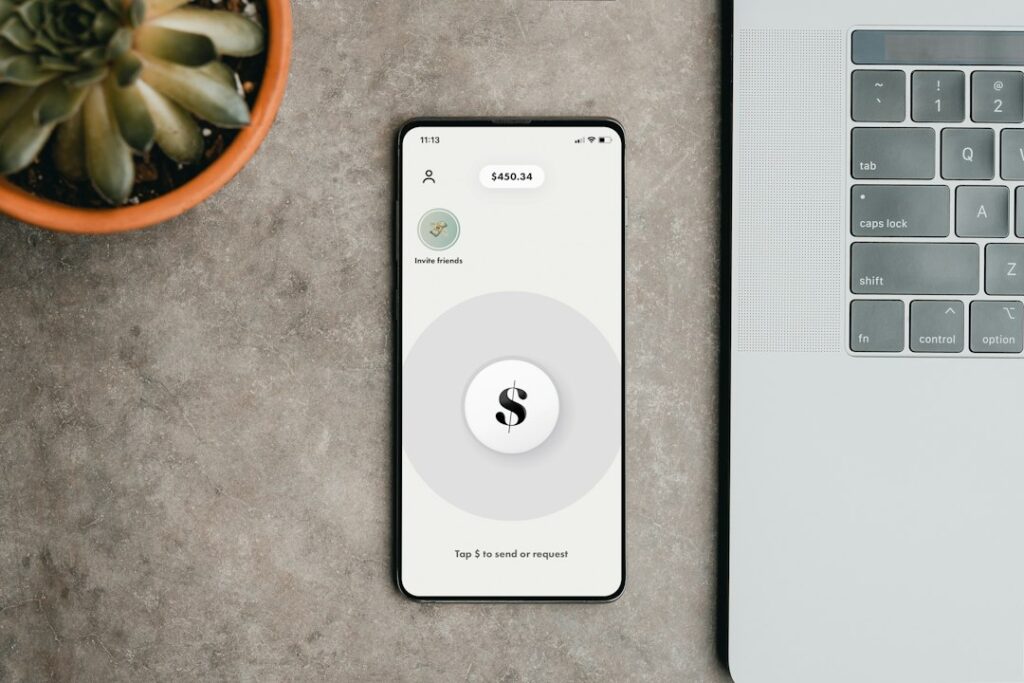
Imagine opening a bank account without stepping foot outside your front door, applying for a loan with a few taps on your phone, and getting instant alerts every time money moves in or out of your wallet. That scenario, once a futuristic fantasy, is now the everyday reality for millions of people worldwide.
Banking has undergone a seismic shift in the last decade, driven by rapid advances in technology, changing consumer expectations, and a relentless focus on financial inclusion. Whether you’re a seasoned investor, a small‑business owner, or a recent graduate trying to master personal finance, understanding the new banking landscape is essential to making smarter money decisions.
In this post, we’ll explore the most critical trends shaping modern banking, break down actionable steps you can take today, and show how you can leverage the latest tools to boost your financial health. Let’s dive in!
—
1. Digital Banking: The Core of Modern Money Management
1.1 What Is Digital Banking?
Digital banking refers to the delivery of banking services through online platforms and mobile apps rather than traditional brick‑and‑mortar branches. It includes everything from opening an account online to using AI‑powered chatbots for customer support.
Key keywords: digital banking, mobile banking, online banking, fintech, banking app
1.2 Benefits You Can Start Using Right Now
| Benefit | How It Impacts You | Quick Action |
|———|——————-|————–|
| 24/7 Access | Manage your finances any time, anywhere. | Download your bank’s mobile app and enable push notifications. |
| Lower Fees | Digital‑only banks often charge less for basic services. | Compare fee structures of neobanks vs. traditional banks. |
| Real‑Time Insights | Instant transaction alerts help you spot fraud fast. | Turn on “transaction alerts” in your app settings. |
| Seamless Integration | Connect budgeting tools (e.g., Mint, YNAB) directly to your accounts. | Link your accounts in a budgeting app to start tracking automatically. |
1.3 Actionable Steps to Upgrade Your Banking Experience
1. Audit Your Current Bank: List the services you use, fees you pay, and features you wish you had.
2. Research Neobanks: Look for reputable digital‑only banks that offer FDIC insurance, competitive interest rates on savings, and robust security.
3. Migrate Strategically: Keep a small “bridge” balance in your legacy account while you transition recurring payments to the new bank.
4. Enable Two‑Factor Authentication (2FA): Strengthen security by requiring a second verification step for logins.
—
2. Smart Savings & Investment Strategies in a Low‑Interest World
2.1 High‑Yield Savings Accounts & Money‑Market Funds
Traditional checking accounts often earn pennies on the dollar. High‑yield savings accounts (HYSAs) offered by online banks can deliver annual percentage yields (APYs) of 3‑5% or more—significantly higher than the national average.
How to Choose: Look for FDIC insurance, no monthly maintenance fees, and easy transfer options to your checking account.
2.2 Automated Investing: Robo‑Advisors
Robo‑advisors use algorithms to build and rebalance diversified portfolios at a fraction of the cost of human advisors. Popular platforms include Betterment, Wealthfront, and Vanguard Digital Advisor.
Actionable Tip: Start with a modest monthly contribution (e.g., $100). Set up automatic deposits from your checking account to your robo‑advisor, and let compounding work for you.
2.3 Leveraging “Round‑Up” Features for Passive Growth
Many banking apps now let you round up every purchase to the nearest dollar and automatically invest or save the spare change. This micro‑saving habit can add up to hundreds of dollars annually without feeling like a sacrifice.
How to Enable:
1. Open your banking app’s “Savings” or “Invest” tab.
2. Turn on “Round‑Up” and select the destination (savings account, investment portfolio, or debt repayment).
2.4 Action Plan for Building a Robust Savings Cushion
| Step | Description | Timeline |
|——|————-|———-|
| Set a Goal | Define a specific target (e.g., 3‑month emergency fund). | Day 1 |
| Choose the Right Account | Open an HYSA with a competitive APY. | Week 1 |
| Automate Contributions | Schedule recurring transfers from checking. | Week 1 |
| Add Round‑Ups | Enable micro‑saving on everyday purchases. | Week 2 |
| Review Quarterly | Check progress and adjust contributions as needed. | Every 3 months |
—
3. Credit Mastery: Building, Maintaining, and Using Credit Wisely
3.1 Understanding Credit Scores
Your credit score is a three‑digit number that reflects your creditworthiness. Lenders use it to decide whether to approve loans, credit cards, or mortgages, and at what interest rate.
Key components:
- Payment History (35%) – On‑time payments are crucial.
- Credit Utilization (30%) – Keep balances below 30% of your total credit limit.
- Length of Credit History (15%) – Older accounts boost your score.
- New Credit (10%) – Frequent hard inquiries can lower your score temporarily.
- Credit Mix (10%) – A blend of credit cards, installment loans, and mortgages is favorable.
- Debt Avalanche vs. Snowball: Choose the repayment strategy that matches your personality—avalanche for interest savings, snowball for quick wins.
- Reward Optimization: Use a cash‑back or travel rewards card for purchases you’d make anyway, but always pay the balance in full to avoid interest.
- Refinancing Opportunities: If rates drop, consider refinancing high‑interest debt (e.g., student loans, mortgages) to lower monthly payments.
- Choose Inclusive Products: Opt for banks that offer low‑fee accounts for low‑balance customers.
- Invest in Impact Funds: Allocate a portion of your portfolio to funds that target financial inclusion initiatives.
- Educate Others: Share knowledge about digital banking tools with friends and family who may still rely on cash.
- Phishing Scams: Fraudulent emails or texts that trick you into revealing login credentials.
- Malware: Malicious software that captures keystrokes or screenshots.
- Account Takeover: Hackers use stolen data to gain unauthorized access.
- Freeze Your Credit with the major bureaus (Equifax, Experian, TransUnion).
- Contact Your Bank Immediately to block the compromised account.
- File a Report with the Federal Trade Commission (FTC) or your country’s consumer protection agency.
3.2 Actionable Credit‑Building Techniques
| Technique | How It Works | Practical Steps |
|———–|————–|—————–|
| Secured Credit Card | Deposit acts as collateral; you borrow against it. | Apply for a secured card, use it for small recurring bills, pay in full each month. |
| Credit‑Builder Loan | Small loan placed in a savings account; you repay it, building history. | Check with community banks or credit unions for these loans. |
| Authorized User | Being added to a family member’s account can boost your score. | Ask a trusted relative with good credit to add you as an authorized user. |
| Regularly Monitor Your Report | Spot errors early and dispute inaccuracies. | Use free annual credit report services (e.g., AnnualCreditReport.com). |
3.3 Smart Use of Loans & Credit Cards
—
4. Financial Inclusion & the Rise of Fintech
4.1 Why Inclusion Matters
Around 1.7 billion adults worldwide remain unbanked or underbanked, limiting their ability to save, borrow, or invest. Fintech companies are bridging this gap with low‑cost, mobile‑first solutions.
Key keywords: financial inclusion, fintech, mobile money, unbanked, digital wallets
4.2 Game‑Changing Fintech Solutions
| Fintech Innovation | How It Helps the Unbanked | Real‑World Example |
|——————–|—————————|——————–|
| Mobile Wallets | Allow users to store value on smartphones without a traditional account. | M‑Pesa in Kenya |
| Peer‑to‑Peer Lending | Connect borrowers directly with lenders, reducing reliance on banks. | LendingClub, Kiva |
| Micro‑Insurance | Offer affordable coverage for health, crop, or property risks. | BIMA, MicroEnsure |
| Blockchain‑Based Identity | Provide secure digital IDs for people lacking official documents. | uPort, Civic |
4.3 How You Can Support Inclusion
—
5. Security & Privacy: Protecting Your Money in a Connected World
5.1 Common Threats
5.2 Best Practices for a Secure Banking Experience
1. Use Strong, Unique Passwords for each financial account; consider a password manager.
2. Enable Biometric Authentication (fingerprint or facial recognition) where available.
3. Regularly Update Apps & Devices to patch security vulnerabilities.
4. Monitor Account Activity Daily – early detection prevents larger losses.
5. Set Up Account Alerts for large transactions, login attempts from new devices, and low balances.
5.3 What to Do If You Suspect Fraud
—
Conclusion – Key Takeaways for the Modern Banking Consumer
1. Embrace Digital Banking – Switch to a reputable online bank or neobank to enjoy lower fees, real‑time insights, and seamless integration with budgeting tools.
2. Supercharge Savings & Investments – Use high‑yield savings accounts, robo‑advisors, and round‑up features to grow wealth effortlessly.
3. Master Your Credit – Monitor your score, use secured cards or credit‑builder loans, and keep utilization low to unlock better loan terms.
4. Support Financial Inclusion – Choose inclusive banking products, invest in impact‑focused funds, and spread digital‑finance literacy.
5. Prioritize Security – Adopt strong passwords, enable 2FA, and stay vigilant against phishing and fraud.
Banking is no longer a static, paper‑heavy process; it’s a dynamic, tech‑driven ecosystem that puts power back into the hands of consumers. By applying the strategies outlined above, you’ll not only stay ahead of the curve but also build a resilient financial foundation for the years to come.
—
Ready to take the next step? Open a high‑yield savings account today, download your bank’s mobile app, and start automating your financial future. The future of banking is here—make it work for you.